The Apartment Was Quiet in All the Wrong Places
After he moved out, I did not only miss him. I missed the sounds, habits, and tiny signs of a shared life that had made the apartment feel occupied.

The apartment sounded wrong after he moved out.
People warned me about the bed. They said the empty side would be hard, and they were right, but they were not specific enough. The bed was only one place. The whole apartment had become a map of missing sounds.
No keys hitting the bowl by the door. No shower turning on while I was still half asleep. No cabinet closing too loudly because he never learned how to close cabinets like a person who respected hinges.
The silence was not peaceful. It had corners.
I thought I was grieving him. I was also grieving the daily evidence that a life had been shared here.
The first night alone, I walked from room to room like I was checking on a house after a storm. Everything was technically fine. The couch was still there. The kettle still worked. The plant we kept forgetting to water was still alive out of spite.
But his shoes were gone from the entryway, and the blank space looked accusatory. The bathroom shelf had one toothbrush. The closet had a clean vertical emptiness where his shirts used to crowd mine. The refrigerator door no longer held the ridiculous magnet he bought from a gas station because he said every home needed one ugly thing.
I kept noticing absences as if they were objects.

The empty spaces became loud
The hardest reminders were not always his things. Sometimes it was the exact place where his things were not anymore.
Everyone wanted to help me decide what to do with the physical objects. Box them. Donate them. Return them. Throw them away. Those questions mattered, but they were not the only problem.
Even after the obvious things were gone, the apartment still knew him. The couch knew which side he sat on. The kitchen knew the pasta he made badly and confidently every Wednesday. The hallway knew the sound of us arguing quietly because we thought lowered voices made pain more mature.
I could not pack those things into a box.
For a while, I tried to live around the memories without touching them. I ate standing up because the table felt like a place for two people. I slept diagonally because choosing one side felt like admitting something final. I left the living room lamp off because he had bought it, which meant I spent two weeks sitting in lighting appropriate for a minor illness.
The home had not only held our relationship. It had trained my body to expect him.
The turning point was embarrassingly small. One morning, I made coffee and automatically poured enough water for two mugs. I stood there staring at the extra cup until I felt furious. Not at him. Not exactly. At the routine. At my own hands for remembering faster than I wanted them to.
I poured the extra water into the sink and said out loud, Just one today.
It sounded pathetic. It also sounded true.
That became the first rule. I did not need to transform the apartment in one dramatic weekend. I needed to give my body new evidence, one ordinary corner at a time.
I started with small changes that did not require becoming a new person overnight:
- I moved the coffee mugs to a different shelf so my hand stopped reaching for his.
- I bought a bath mat he would have hated because it was too soft and too pink.
- I moved the bed six inches, which was somehow enough to make the room feel less rehearsed.
- I invited a friend over for dinner so the table could learn another voice.
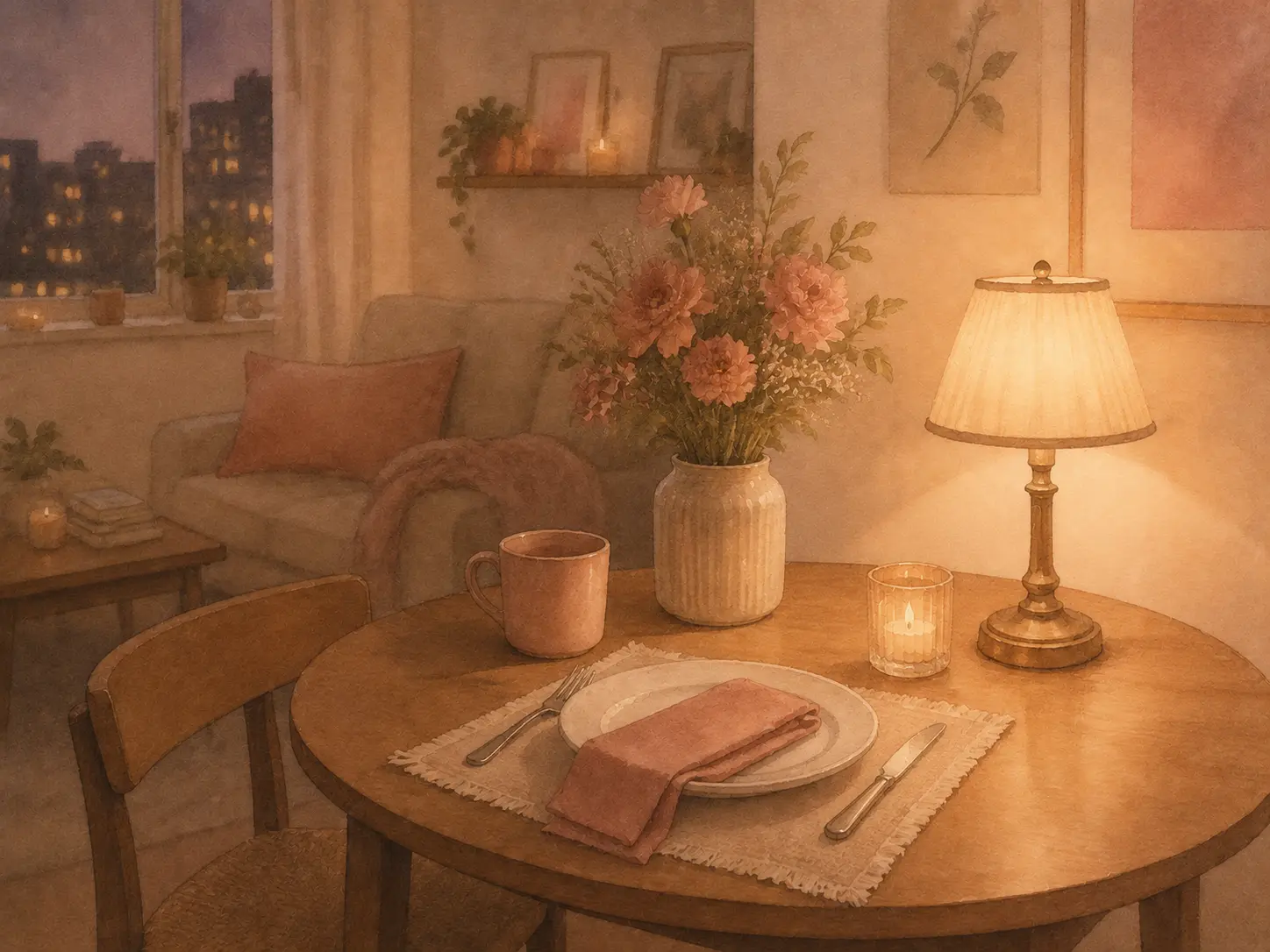
If your home still expects them
Your breakup pattern may include attachment to routines, identity loss, or grief for the life structure around the relationship. Naming it can make the next small step clearer.
Start the Free Quiz →None of this erased him. That is important. I did not repaint the walls and become cured. I still flinched when the elevator stopped on our floor at the hour he used to come home. I still avoided one playlist because it made the kitchen feel like a room from last year.
But slowly, the apartment stopped feeling like a waiting room for someone who had already left.
My friend came over on a Friday and brought soup. We ate at the table I had avoided, and she spilled broth on the placemat, and I laughed harder than the moment deserved. Later, after she left, the room held that too. Not just him. Not just us. Something else.
I think that was when the apartment began to return to me.
A home can remember someone and still become yours again.
The quiet is different now. Not always easy. Some nights it is still too much. But it is no longer only the sound of absence.
Sometimes it is the sound of my own key in the bowl by the door, and dinner for one, and a lamp I turn on because I like the light.
Keep Reading
More stories for moments that feel like this.
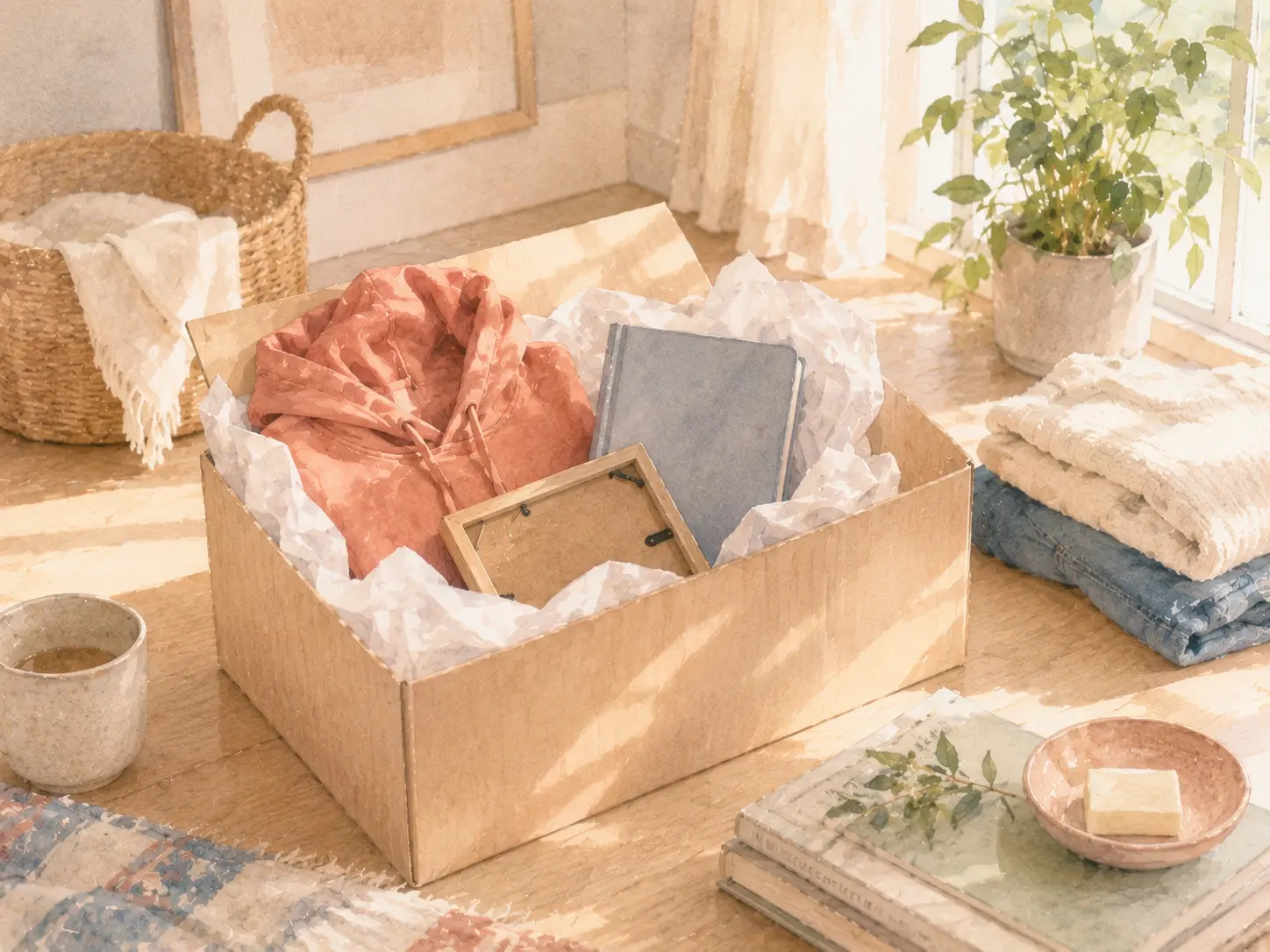
What to Do With Your Ex's Things After a Breakup
You do not have to throw everything away in one dramatic moment. Physical reminders can be handled gently, clearly, and without pretending they mean nothing.

I Could Not Throw Away His Hoodie
It was just a sweatshirt until the breakup. Then it became proof, comfort, memory, and the one piece of him I could still hold without asking permission.

I Missed the Version of Me Who Did Not Wait for His Texts
After the breakup, I realized I was not only grieving him. I was grieving the girl I had slowly abandoned while trying to be loved.
A gentle next step
If this story felt familiar, start with your pattern.
Take the 3-minute breakup quiz to understand what loop is keeping you stuck and get your free personalized recovery map.