I Waited for an Apology That Never Came
I did not want him back as much as I wanted him to admit what he had done. I thought an apology would give me my reality back.

For a long time, I did not fantasize about him coming back with flowers.
I fantasized about him coming back with a sentence.
Not a dramatic speech. Not a handwritten letter that fixed everything. Just one clean sentence that named what happened without making me carry half of it for him.
I am sorry I made you feel crazy for reacting to things I was actually doing.
That was the apology I waited for. Not those exact words, maybe, but the shape of them. I wanted him to admit that I had not invented the coldness. That the disappearing acts were real. That the little punishments after I asked for reassurance were real. That the way he turned every hurt into a debate about my tone had done something to me.
People assumed I was waiting because I wanted him back. I let them think that because it was easier than explaining the more humiliating truth: I wanted him to confirm my reality. I wanted the person who had blurred it to hand it back to me with both hands.
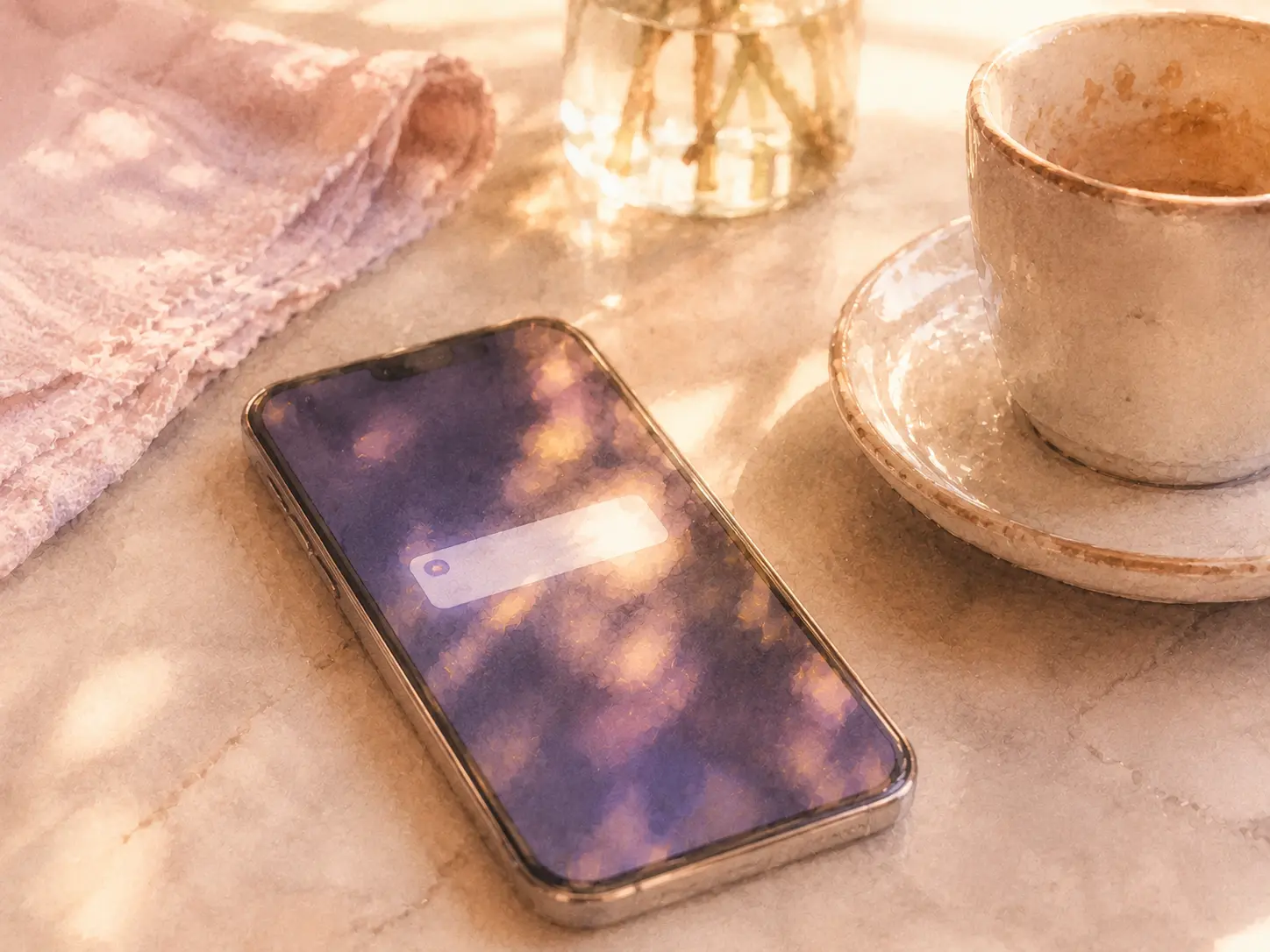
I checked for accountability, not romance
Every notification carried a tiny unreasonable hope: maybe this is the message where he finally names it.
The waiting looked boring from the outside. I went to work. I returned library books. I bought the expensive conditioner because my hair had started breaking near my temples. I lived a functional life with one part of me turned permanently toward the door.
Sometimes I checked my blocked messages. Sometimes I unblocked him for ten minutes, then blocked him again, as if remorse needed a clear landing strip. Sometimes I imagined running into him at the pharmacy, where he would see me holding toothpaste and suddenly understand everything he had done because apparently my healing plan involved dental products and divine timing.
I was not proud of any of this. But I also understand it now. When someone makes you doubt your own reactions, an apology can start to feel like the only receipt that proves you were not overcharging the pain.
The apology I wanted had many jobs:
- It would prove I was not too sensitive.
- It would make the ending feel less humiliating.
- It would turn my anger into something socially acceptable.
- It would let me stop rehearsing the case in my head.
That last job was the biggest one. My mind had become a courtroom. I brought evidence every night. The birthday he forgot after starting a fight about my expectations. The weekend he ignored me and then called me dramatic for noticing. The apology he gave only after I apologized first. The times I softened the story when I told friends because I still wanted them to like him.
I kept thinking, If he admits it, I can rest.

If closure depends on their remorse
Your pattern may be closure seeking, validation seeking, or trying to make pain mean something through accountability. The quiz can help you name what the apology is meant to give back.
Start the Free Quiz →Then, three months after the breakup, he did message me. I saw his name on my screen and felt my whole body become younger. The message said: Hey. I hope you are doing okay.
That was it.
No accountability. No naming. No, I have been thinking about how I treated you. Just a soft little sentence that allowed him to feel kind without approaching the damage. I stared at it until the words blurred. I wanted to throw the phone. I wanted to answer with a dissertation. I wanted to be above wanting anything from him, which was its own exhausting performance.
Sometimes the message arrives and still does not give you what you were waiting for.
I did not reply that day. Instead, I opened a note and wrote the apology myself. Not from him. From the part of me that had spent so long waiting outside his conscience.
I am sorry you had to keep explaining pain to someone committed to misunderstanding it. I am sorry you thought being calm enough would make him honest. I am sorry you mistook his refusal to name it for proof that it was not real.
That note made me cry harder than his message did. Not because it replaced the apology. It did not. But because for the first time, the truth came from inside the room instead of from the person who kept leaving it.
I wish I could say I stopped wanting the apology after that. I did not. Some days I still want him to wake up with a clean understanding of what he broke. I want him to feel the weight of it without turning himself into the victim of my hurt. I want the impossible luxury of being seen clearly by the person who benefited from not seeing me.
But I no longer make my healing wait at his door. That is the difference. I can want accountability and still stop using its absence as proof that I am unfinished. I can know what happened without him signing it.
The apology never came. My life did, slowly. In pieces. In mornings where I stopped checking. In conversations where I told the story without protecting him from the facts. In the strange, steady relief of trusting myself even when no one else stamped the truth official.
Keep Reading
More stories for moments that feel like this.

What Closure After a Breakup Really Means
Closure is often imagined as one final conversation. But sometimes the calm you are looking for cannot come from the person who left you uncertain.

I Thought Closure Would Come From Him. I Was Wrong.
I kept waiting for one honest conversation to make the pain make sense. But the answer I needed was never going to come from the person who kept avoiding it.

I Did Not Want Him Back. I Wanted the Pain to Mean Something.
The confusing part was that I knew I did not want the relationship again. I just wanted the hurt to become proof that it had mattered.
A gentle next step
If this story felt familiar, start with your pattern.
Take the 3-minute breakup quiz to understand what loop is keeping you stuck and get your free personalized recovery map.